1. Search Result
Search Result
Results for "

Parkinson's disease

" in MedChemExpress (MCE) Product Catalog:

260

Inhibitors & Agonists

4

Screening Libraries

1

Fluorescent Dyes

5

Peptides

28

Natural
Products

20

Isotope-Labeled Compounds

1

Click Chemistry

2

Oligonucleotides

Cat. No. Product Name Target Research Areas Chemical Structure
  • HY-15608
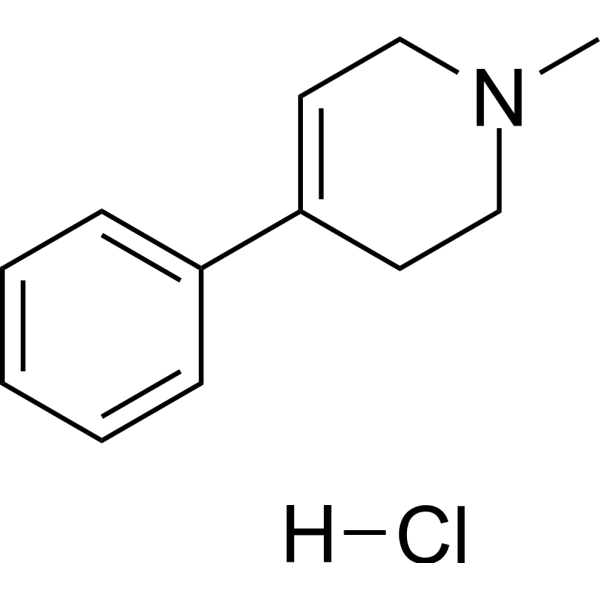
    MPTP hydrochloride
    85+ Cited Publications

    Dopamine Receptor Apoptosis Neurological Disease Inflammation/Immunology
    MPTP hydrochloride is a brain penetrant dopaminergic neurotoxin. MPTP hydrochloride can be used to induce Parkinson’s Disease model. MPTP hydrochloride, a precusor of MPP +, induces apoptosis . MPTP hydrochloride has been verified by MCE with professional biological experiments.
    MPTP hydrochloride
  • HY-100411
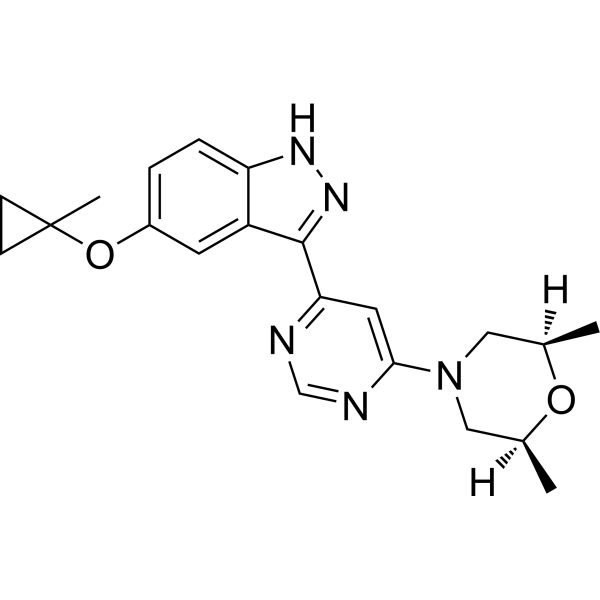
    MLi-2
    10+ Cited Publications

    LRRK2 Neurological Disease
    MLi-2, a chemical probe, is an orally active and highly selective LRRK2 inhibitor with an IC50 of 0.76 nM. MLi-2 has the potential for Parkinson’s disease .
    MLi-2
  • HY-W114750
    MPTP
    85+ Cited Publications

    Dopamine Receptor Apoptosis Neurological Disease Inflammation/Immunology
    MPTP (1-Methyl-4-phenyl-1,2,3,6-tetrahydropyridine) is a brain penetrant dopamine neurotoxin. MPTP can be used to induce Parkinson’s Disease model. MPTP, a precusor of MPP +, induces apoptosis .
    MPTP
  • HY-N7560
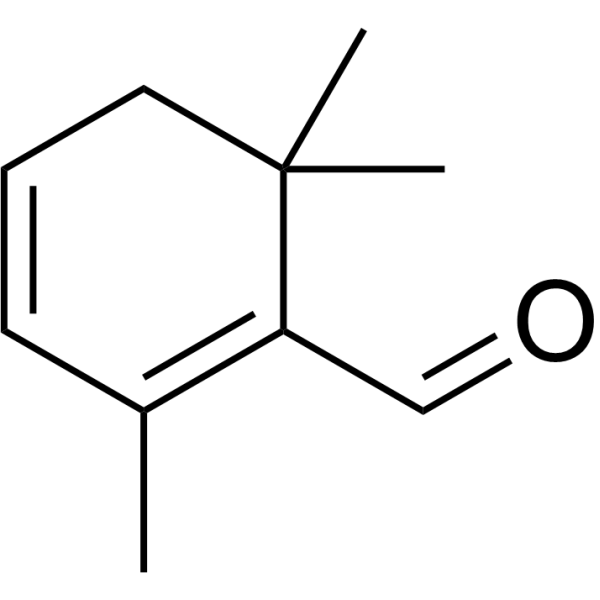
    Safranal
    Maximum Cited Publications
    6 Publications Verification

    Keap1-Nrf2 Neurological Disease Inflammation/Immunology
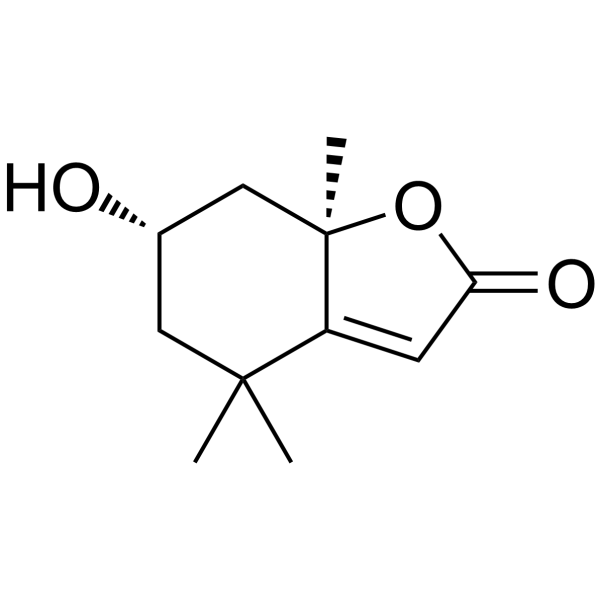
    Safranal is an orally active main component of Saffron (Crocus sativus) and is responsible for the unique aroma of this spice. Safranal has neuroprotective and anti-inflammatory effects and has the potential for Parkinson’s disease research .
    Safranal
  • HY-147976

    Glycosidase Neurological Disease Metabolic Disease
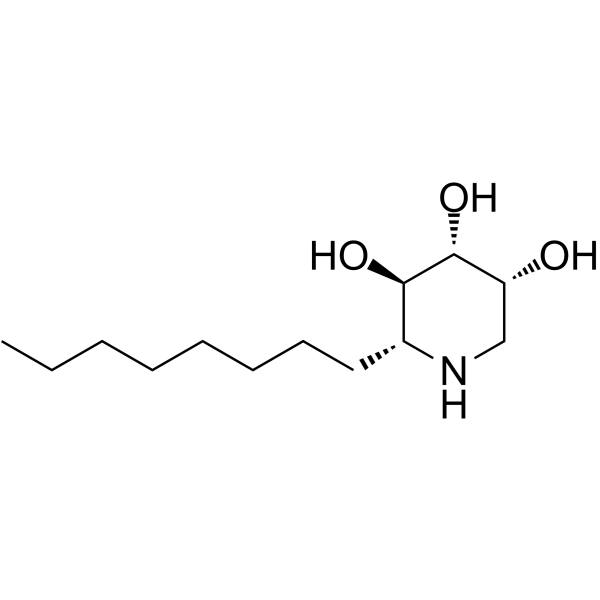
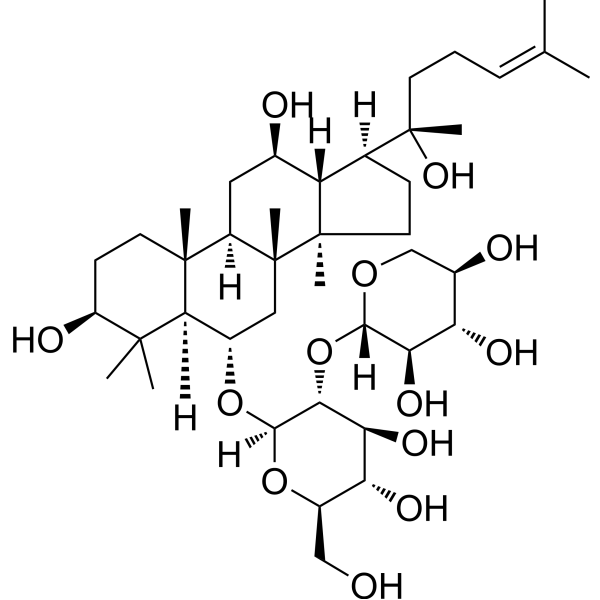
    Glucocerebrosidase-IN-1 (compound 11a) is a potent and selective GCase (glucocerebrosidase) inhibitor, with an IC50 of 29.3 μM and a Ki of 18.5 μM. Glucocerebrosidase-IN-1 can be used for the research of Gaucher disease (GD) and Parkinson’s disease (PD) .
    Glucocerebrosidase-IN-1
  • HY-162666

    Potassium Channel Neurological Disease
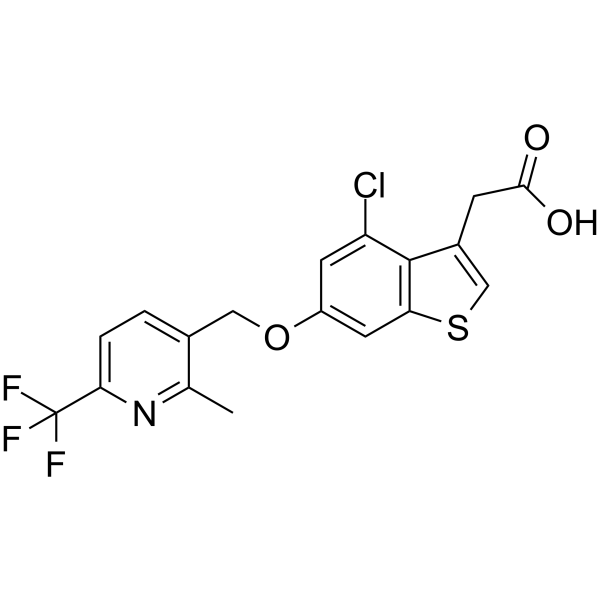
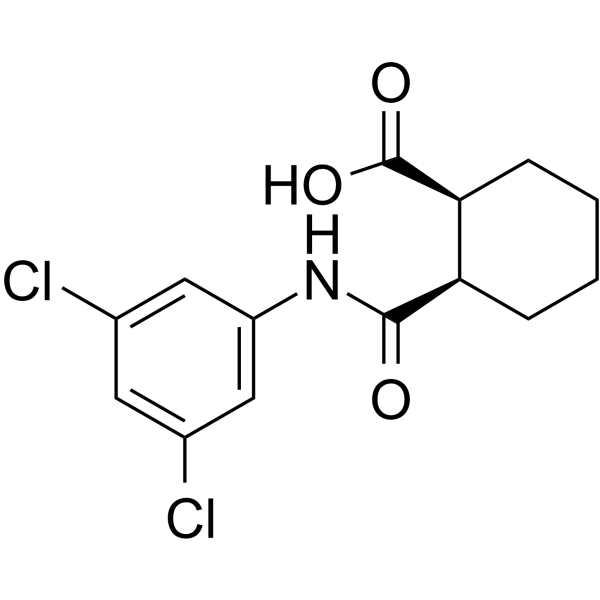
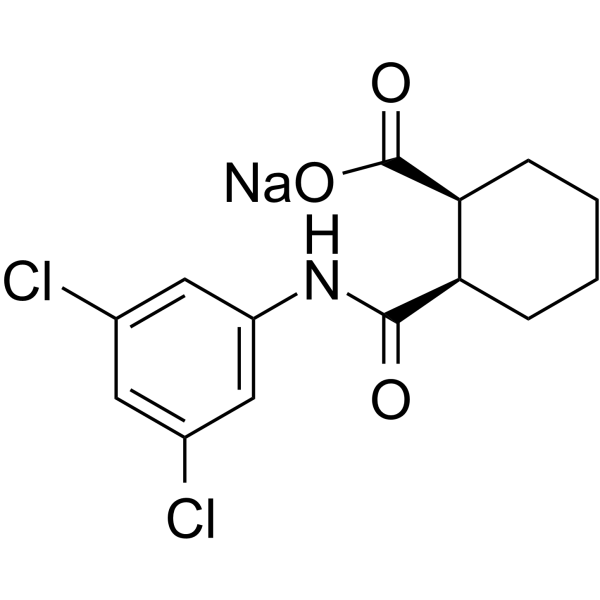
    TMEM175 modulator 1 (compound 47) is a TMEM175 modulator.TMEM175 modulator 1 modulates activity of the lysosomal potassium ion channel TMEM175.TMEM175 modulator 1 can be used for the research of parkinson’s disease, dementia, alzheimer’s disease, l-dopa induced dyskinesia .
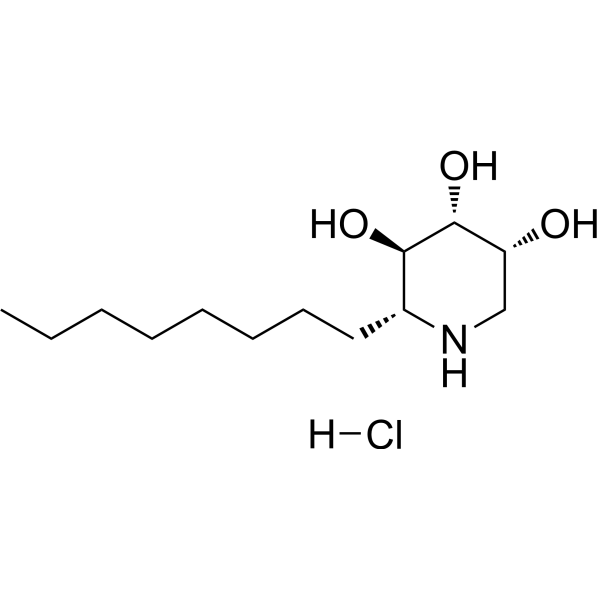
    TMEM175 modulator 1
  • HY-N5077
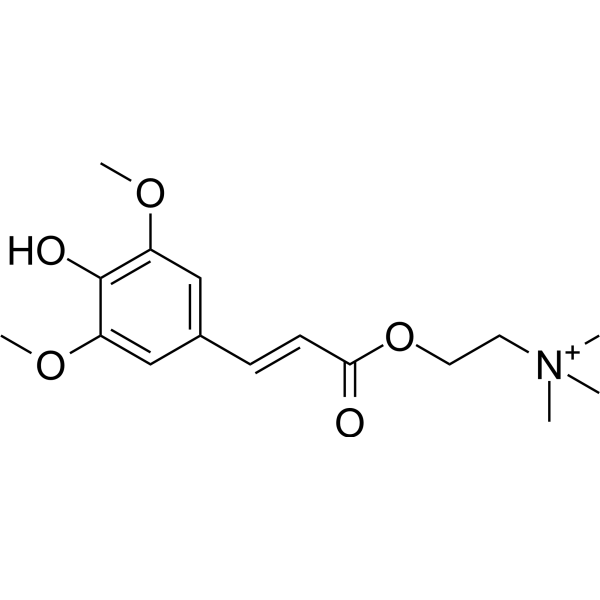
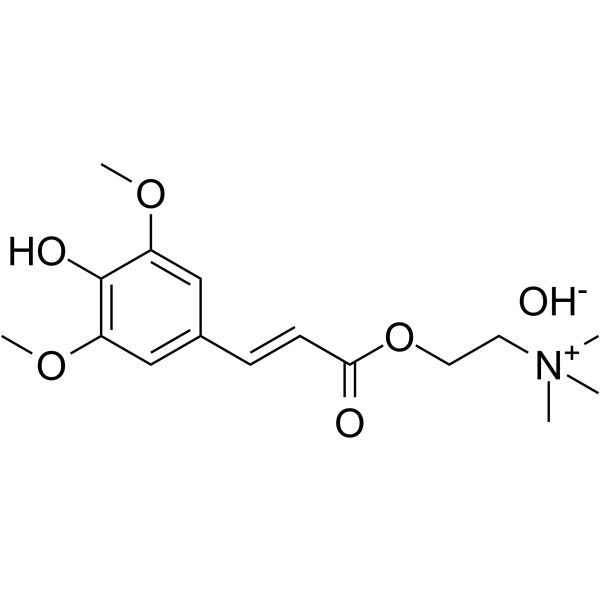
    Sinapine
    2 Publications Verification

    Cholinesterase (ChE) P-glycoprotein Neurological Disease Inflammation/Immunology Cancer
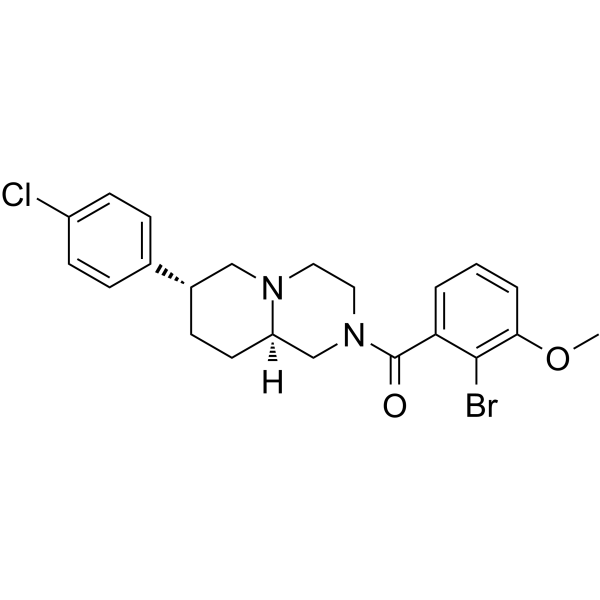
    Sinapine is an alkaloid isolated from seeds of the cruciferous species. Sinapine exhibits anti-inflammatory, anti-oxidant, anti-tumor, anti-angiogenic and radio-protective effects. Sinapine is also an acetylcholinesterase (AChE) inhibitor and can be used for the research of Alzheimer’s disease, ataxia, myasthenia gravis, and Parkinson’s disease .
    Sinapine
  • HY-N0450
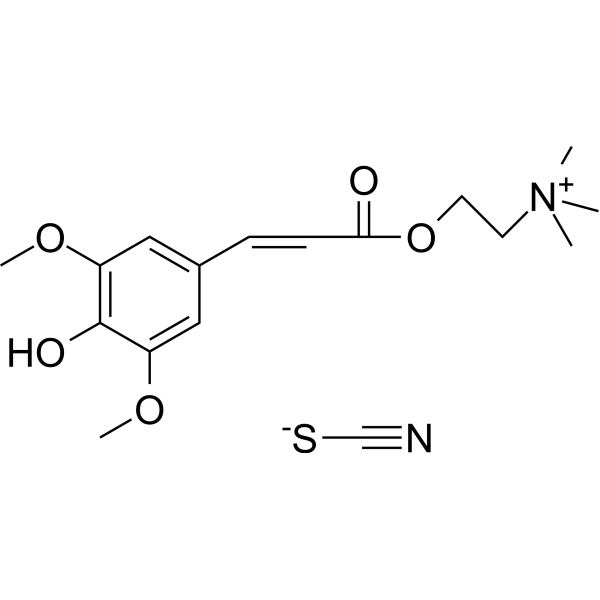
    Sinapine thiocyanate
    2 Publications Verification

    P-glycoprotein Cholinesterase (ChE) Cancer
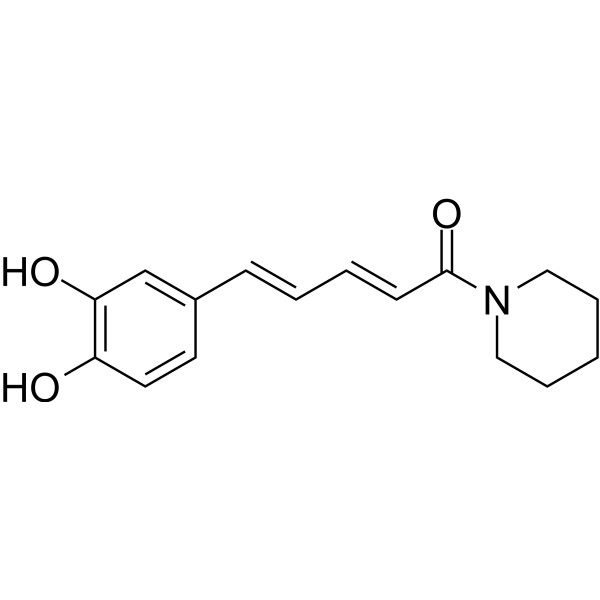
    Sinapine thiocyanate is an alkaloid isolated from seeds of the cruciferous species. Sinapine thiocyanate exhibits anti-inflammatory, anti-oxidant, anti-tumor, anti-angiogenic and radio-protective effects. Sinapine thiocyanate is also an acetylcholinesterase (AChE) inhibitor and can be used for the research of Alzheimer’s disease, ataxia, myasthenia gravis, and Parkinson’s disease .
    Sinapine thiocyanate
  • HY-124876
    SynuClean-D
    1 Publications Verification

    SC-D

    α-synuclein Neurological Disease
    SynuClean-D (SC-D) is an inhibitor of α-synuclein aggregation, disrupts mature amyloid fibrils, prevents fibril propagation, and abolishes the degeneration of dopaminergic neurons in an animal model of Parkinson’s disease .
    SynuClean-D
  • HY-175748

    Radionuclide-Drug Conjugates (RDCs) α-synuclein Neurological Disease
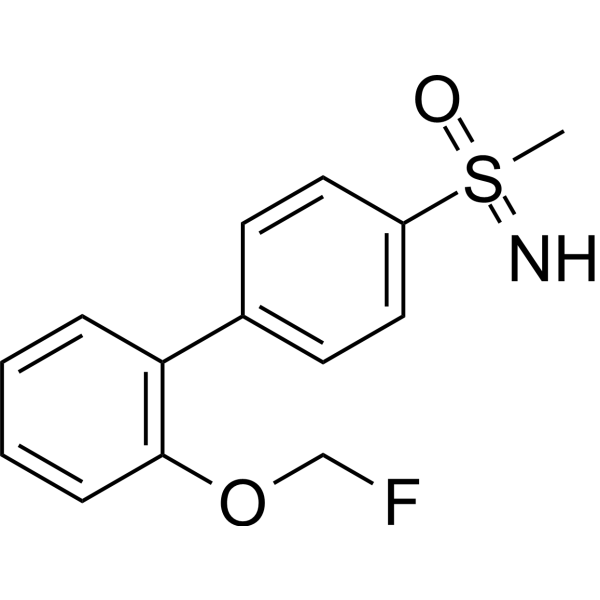
    MK-7337 is an α-synuclein ligand with an affinity of < 1 nM. MK-7337 labeled with 11C can be used as a PET tracer for neurodegenerative disorders like Parkinson’s disease imagination .
    MK-7337
  • HY-14561A

    RX 781094 hydrochloride

    Adrenergic Receptor Imidazoline Receptor Neurological Disease Endocrinology
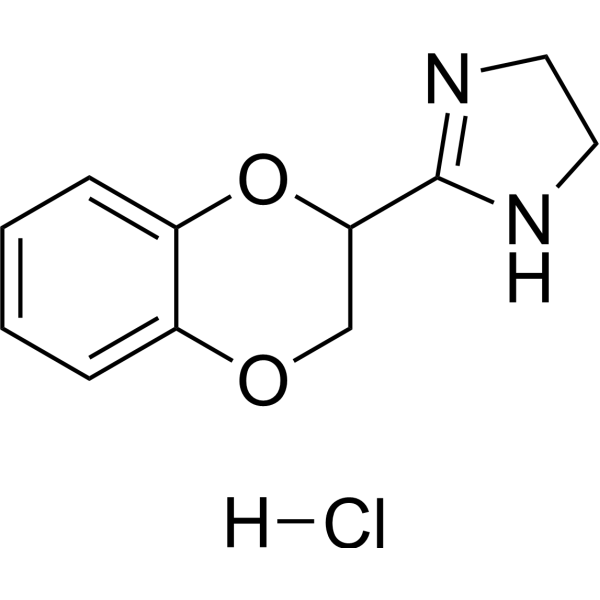
    Idazoxan hydrochloride (RX 781094 hydrochloride) is an α2-adrenoceptor antagonist and is also a imidazoline receptors (IRs) antagonist competitively antagonized the centrally induced hypotensive effect of imidazoline-like agents (IMs). Idazoxan hydrochloride also improves motor symptoms in Parkinson’s disease, L-DOPA-induced dyskinesias, and experimental Parkinsonism .
    Idazoxan hydrochloride
  • HY-109131

    ABBV-951; Carbidopa 4′-monophosphate

    Aryl Hydrocarbon Receptor Drug Metabolite Neurological Disease
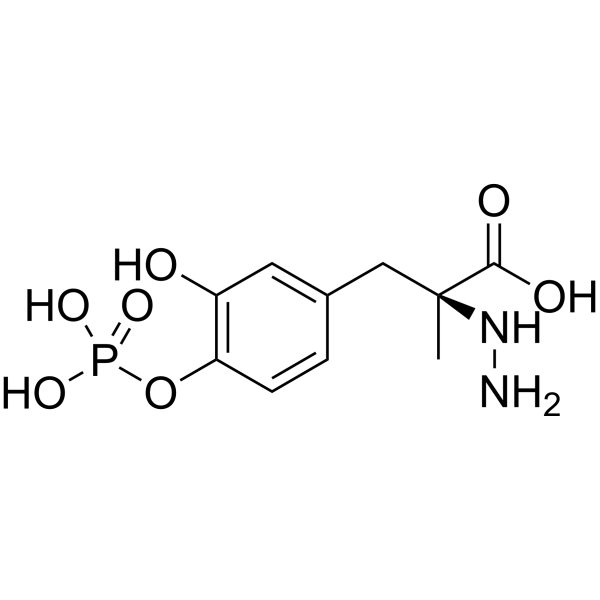
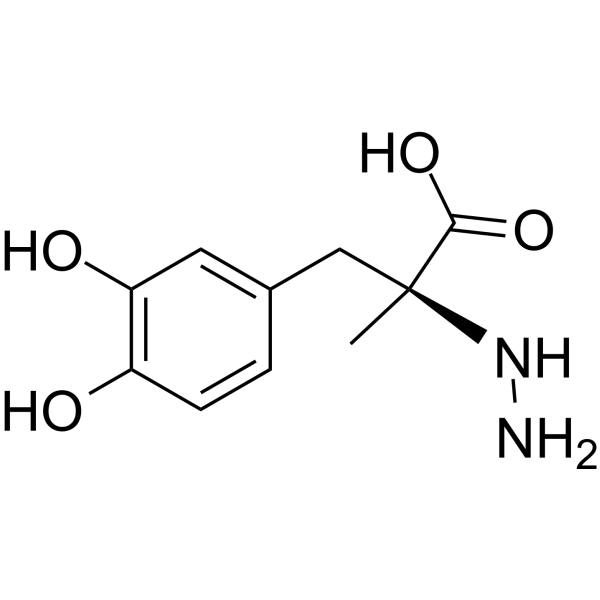
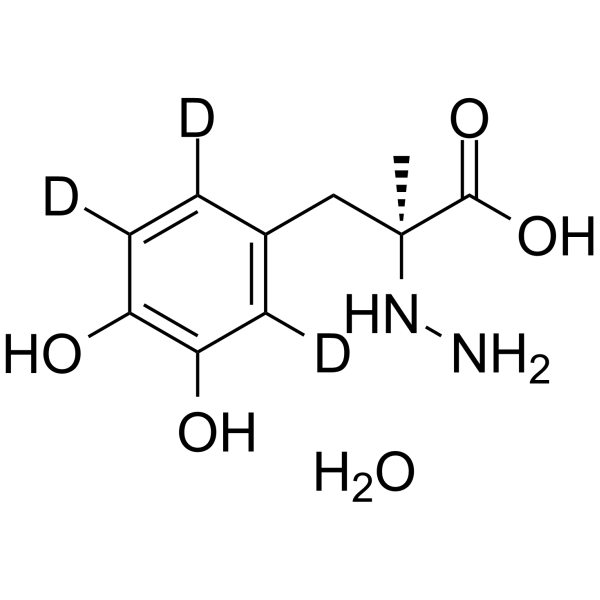
    Foscarbidopa (ABBV-951; Carbidopa 4′-monophosphate) is an inhibitory prodrug targeting peripheral aromatic L-amino acid decarboxylase. Foscarbidopa is hydrolyzed into Carbidopa (HY-B0311) by phosphatases in vivo to suppress peripheral metabolism of levodopa and elevate brain delivery of levodopa. Foscarbidopa can be used for the research of Parkinson’s disease and advanced Parkinson’s disease .
    Foscarbidopa
  • HY-125515

    Leptaflorine

    Monoamine Oxidase Neurological Disease
    Tetrahydroharmine (Leptaflorine) is a selective reversible monoamine oxidase A (MAO-A) inhibitor with an IC50 of 74 nM. Tetrahydroharmine can be used for the research of parkinson’s disease .
    Tetrahydroharmine
  • HY-B1607
    Chlorphenoxamine
    1 Publications Verification

    Histamine Receptor SARS-CoV Filovirus Parasite Infection Neurological Disease Inflammation/Immunology
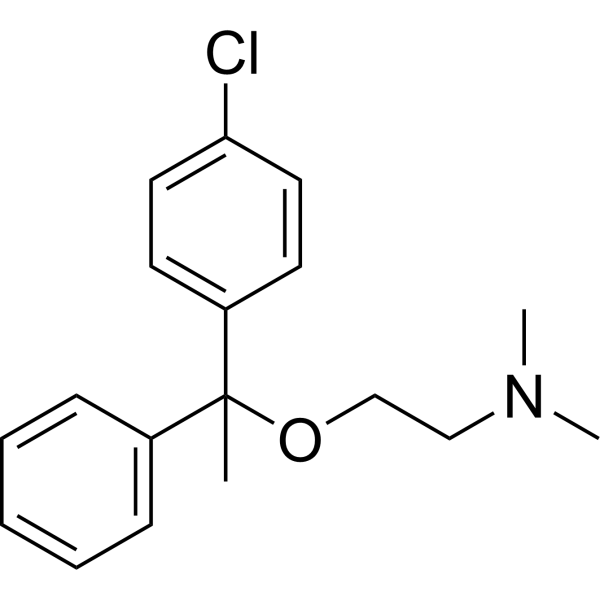
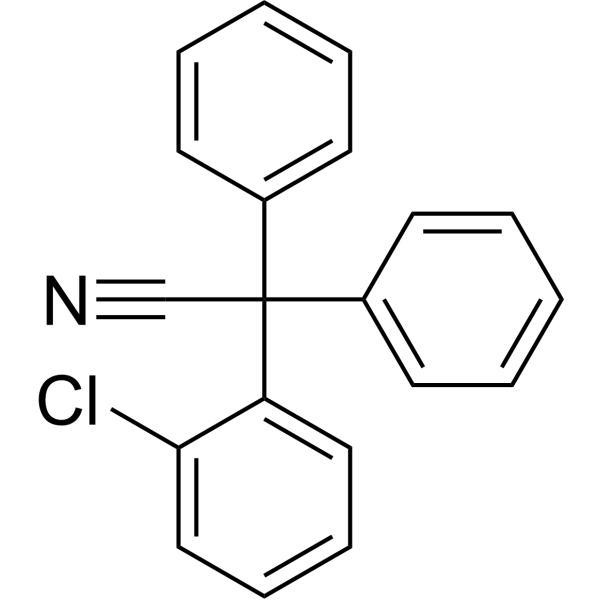
    Chlorphenoxamine, an antihistamine and anticholinergic agent is a GPCR antagonist. Chlorphenoxamine inhibits multiple lethal viral diseases, such as SARS-CoV, MERS-CoV, EBOV and malaria. Chlorphenoxamine shows anti-filovirus activity against both EBOV and Marburg virus (MARV) with IC50s of 1.1 μM and 6.2 μM, respectively. Chlorphenoxamine is used for allergic conditions, urticaria, viral diseases and Parkinson’s disease .
    Chlorphenoxamine
  • HY-156586

    ASN90

    OGA Tau Protein Neurological Disease
    Egalognastat (ASN90) is a selective, brain-penetrant and orally active O-GlcNAcase (OGA) enzyme inhibitor with an IC50 value of 10.2 nM. Egalognastat increases O-GlcNAcylation of intracellular proteins like tau and α-synuclein, preventing their aggregation and toxicity. Egalognastat does not inhibit hexosaminidase (Hex). Egalognastat can be used for the research of neurodegenerative diseases, such as tauopathies and α-synucleinopathies (e.g., Alzheimer’s disease and Parkinson’s disease) .
    Egalognastat
  • HY-107660

    Sirtuin Neurological Disease
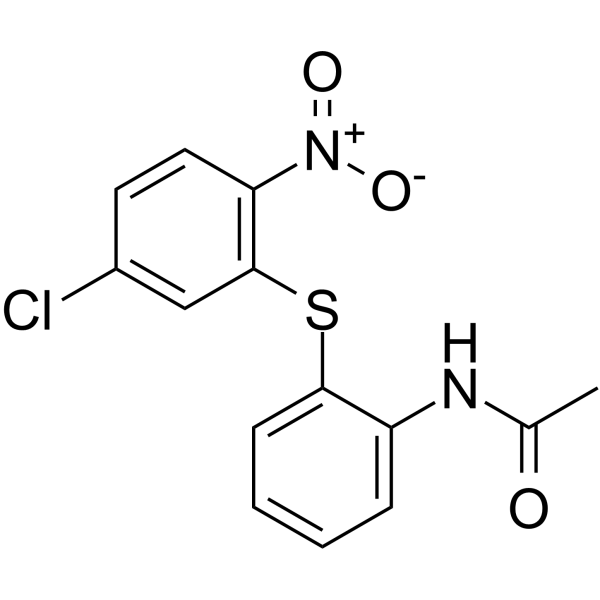
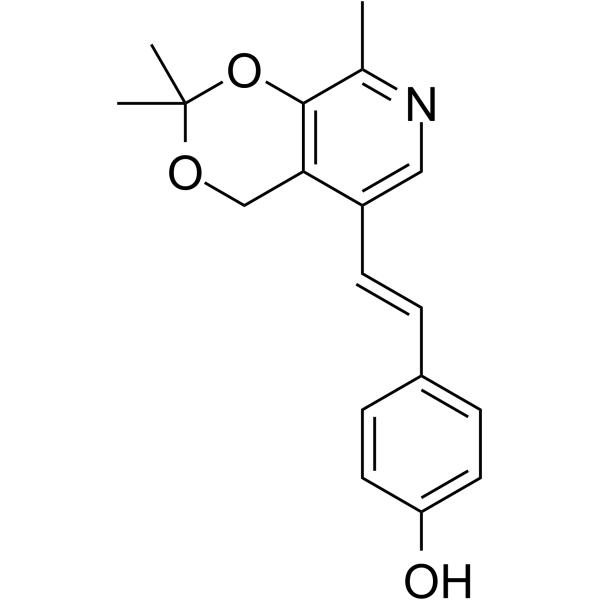
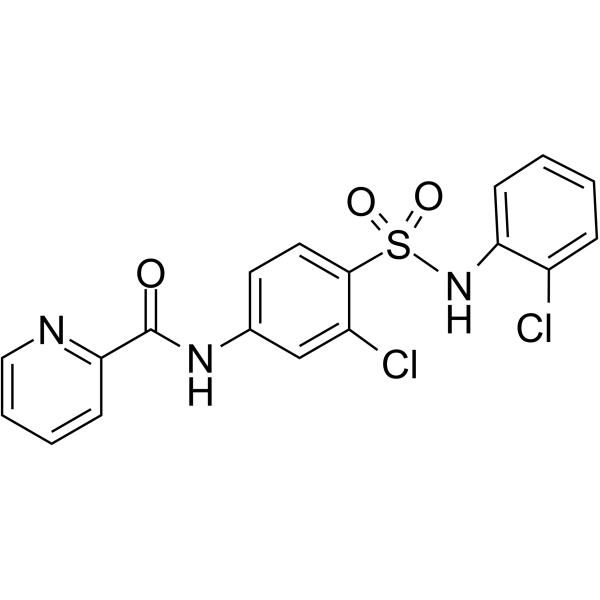
    SIRT2-IN-8 is a potent SIRT2 inhibitor. SIRT2-IN-8 can be used for Huntington’s and Parkinson’s diseases research .
    SIRT2-IN-8
  • HY-103479

    Acyltransferase Cardiovascular Disease Neurological Disease Metabolic Disease Cancer
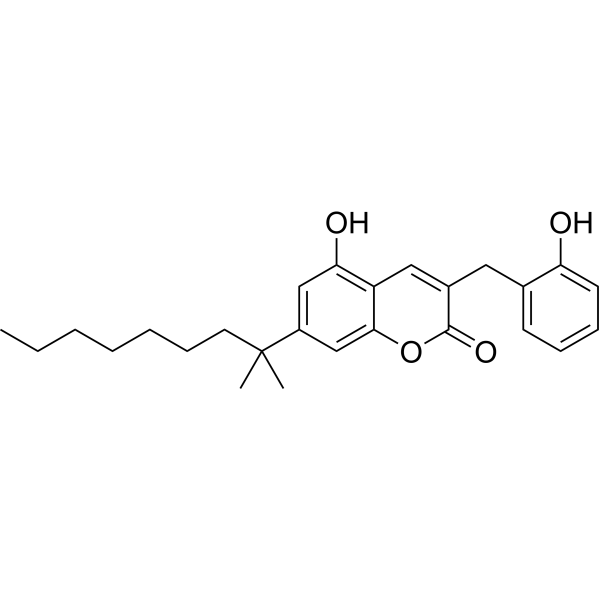
    GOAT-IN-1 is an inhibitor of ghrelin O-acyltransferase (GOAT), which could be useful for the prophylaxis or treatment of obesity, diabetes, hyperlipidemia, metabolic, non-alcoholic fatty liver, steatohepatitis, sarcopenia, appetite control, alcohol/narcotic dependence, Alzheimer’s disease, Parkinson’s disease, cerebrovascular dementia, cerebral apoplexy, cerebral infarction, cardic disease, some kind of tumors.
    GOAT-IN-1
  • HY-125558

    ORG-34517

    Glucocorticoid Receptor Neurological Disease
    PT150 (ORG-34517) is a competitive and orally active glucocorticoid receptor antagonist. PT150 shows neuroprotective effects. PT150 has the potential for the research of Parkinson’s disease .
    PT150
  • HY-W062697
    HTL14242
    1 Publications Verification

    HTL0014242

    mGluR Neurological Disease
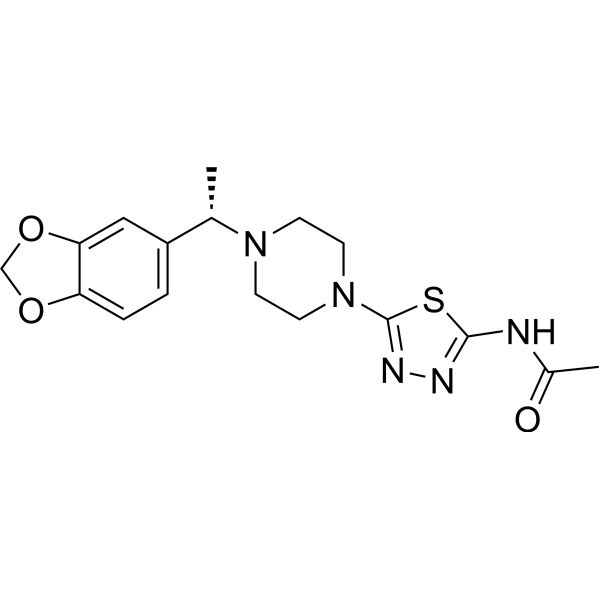
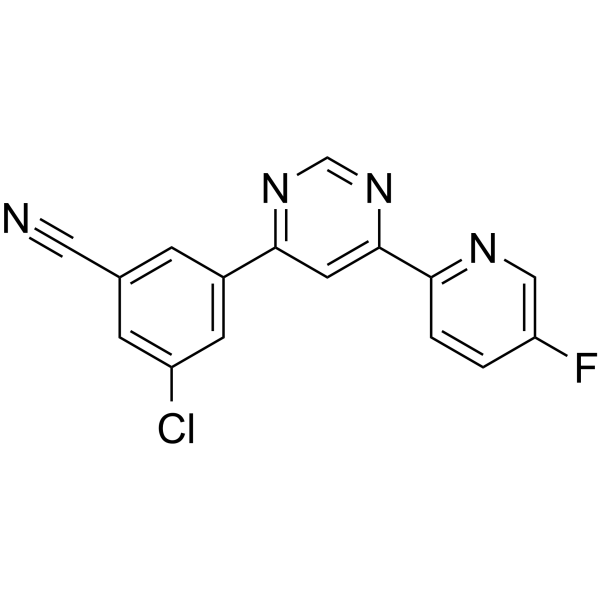
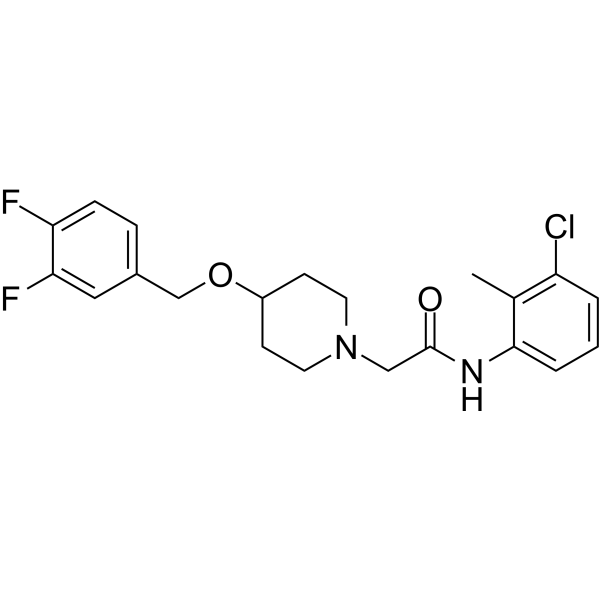
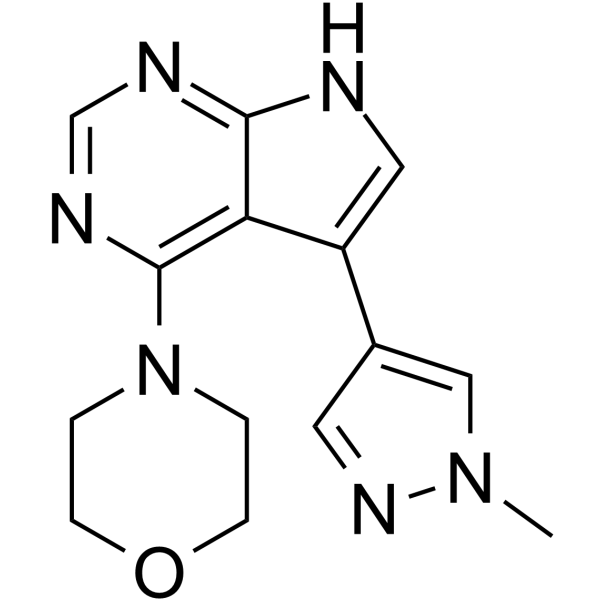
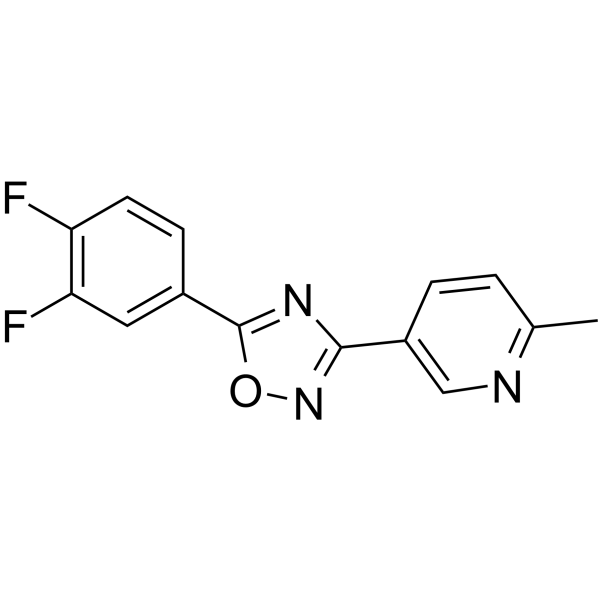
    HTL14242 (HTL0014242) is an advanced and orally active mGlu5 NAM with a pKi and a pIC50 of 9.3 and 9.2, respectively . HTL14242 can be used for the research of parkinson’s disease .
    HTL14242
  • HY-176200

    AF98943

    mAChR Neurological Disease
    VU6008055 (AF98943) is a brain-penetrant, orally active and selective muscarinic acetylcholine receptor subtype 4 (mAChR4) activator with human EC50 values of 73.4 nM. VU6008055 potentiates mAChR4 receptor activity in the presence of acetylcholine, and exhibits no activity at mAChR1, mAChR3, or mAChR5. VU6008055 can be used for the research of schizophrenia, parkinson’s disease, alzheimer’s disease .
    VU6008055
  • HY-105545

    (+)-Benzetimide; (S)-(+)-Dexetimide; Dexbenzetimide

    mAChR Neurological Disease
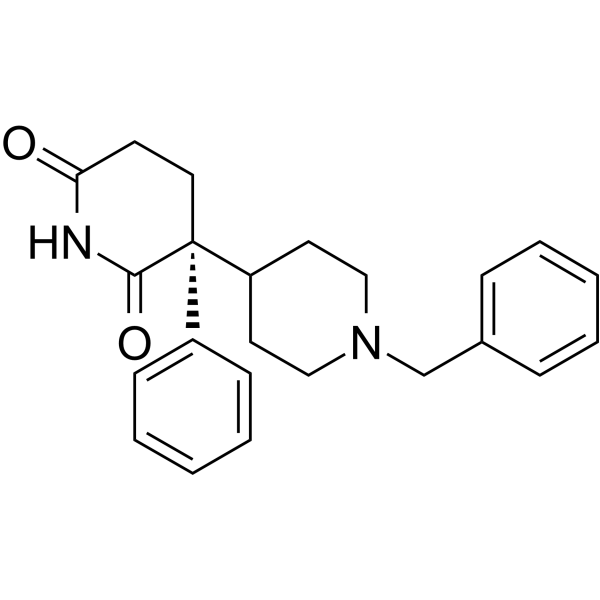
    Dexetimide ((+)-Benzetimide; (S)-(+)-Dexetimide; Dexbenzetimide) is a piperidine anticholinergic and a high-affinity muscarinic receptor antagonist. Dexetimide can be used in studies of parkinson's disease .
    Dexetimide
  • HY-147060

    DYRK Neurological Disease
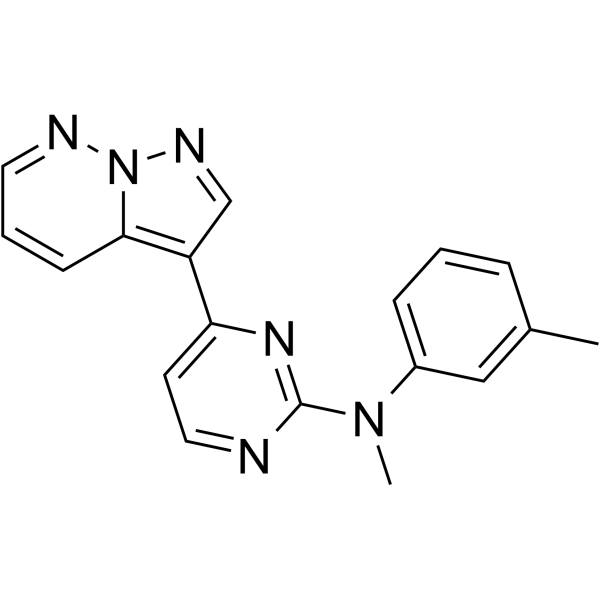
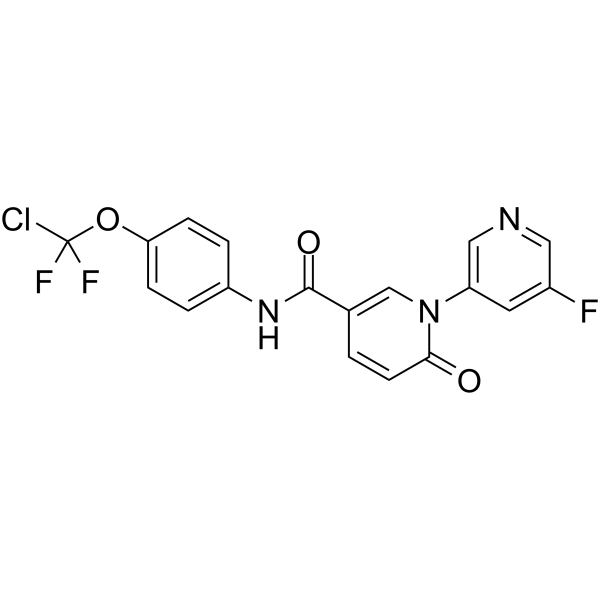
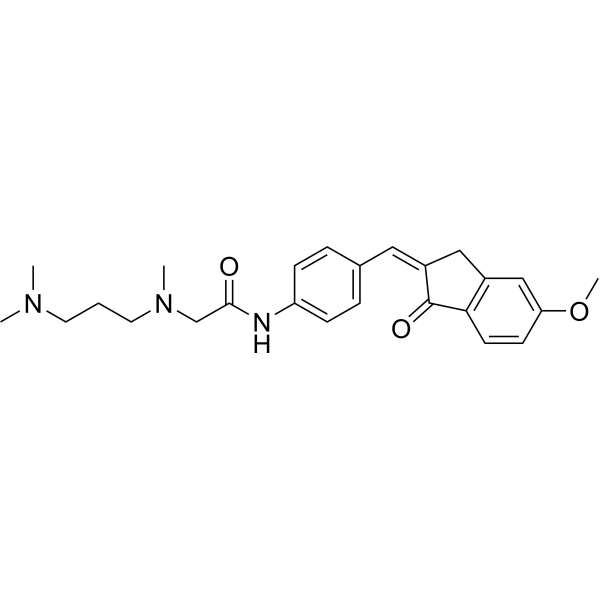
    Dyrk1A-IN-3 (Compound 8b), a highly selective dual-specificity tyrosine-regulated kinase 1A (DYRK1A) inhibitor, maintains high levels of DYRK1A binding affinity (IC50=76 nM). Dyrk1A-IN-3 can be used for the research of neurodegenerative disorders such as Alzheimer’s Disease, Huntington’s Disease, and Parkinson’s Disease .
    Dyrk1A-IN-3
  • HY-150058

    Others Neurological Disease
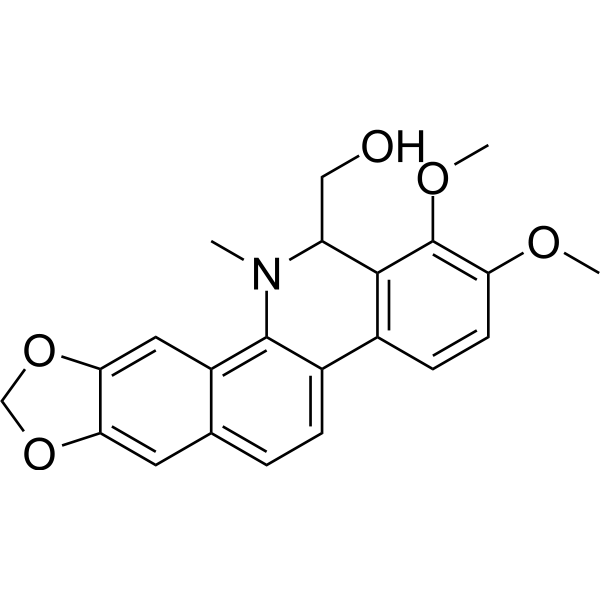
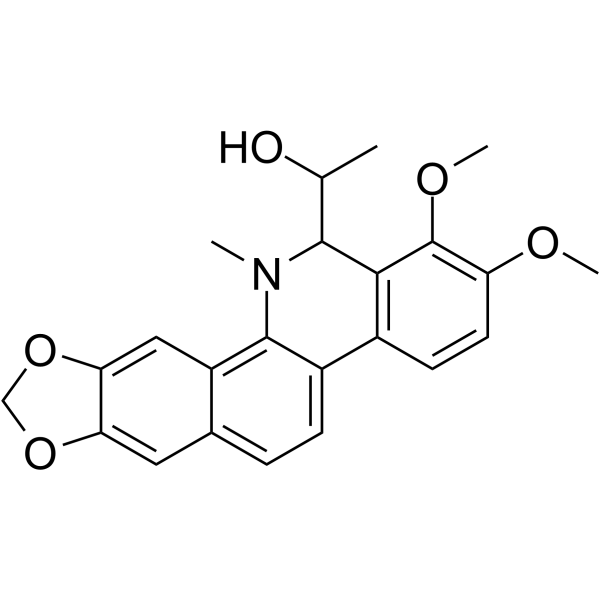
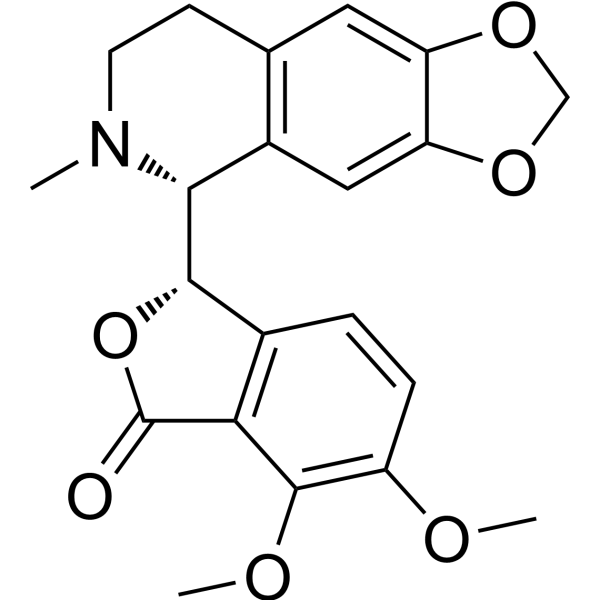
    Bocconoline is a potent early endosome antigen 1 (EEA1) inhibitor. Bocconoline can be isolated from Macleaya cordata. Bocconoline can be used for the research of Parkinson’s disease (PD) .
    Bocconoline
  • HY-163830

    DAD9

    Dopamine Receptor Neurological Disease
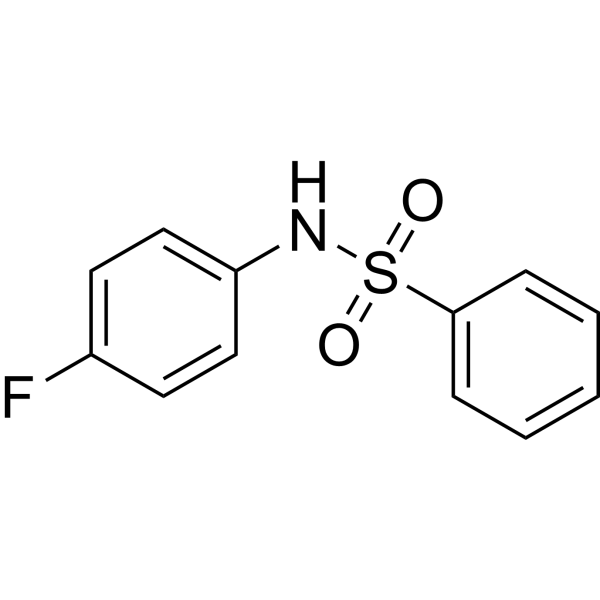
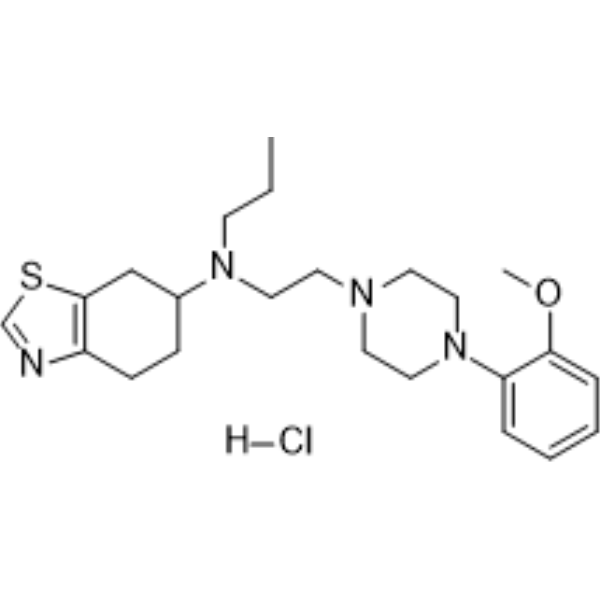
    Pegasus (DAD9) is a potent dopamine receptor agonist. Pegasus shows antioxidant and anti-inflammatory properties. Pegasus inhibits α-Syn amyloid aggregation. Pegasus has the potential for the research of Parkinson’s disease .
    Pegasus
  • HY-112555

    Phosphodiesterase (PDE) Neurological Disease
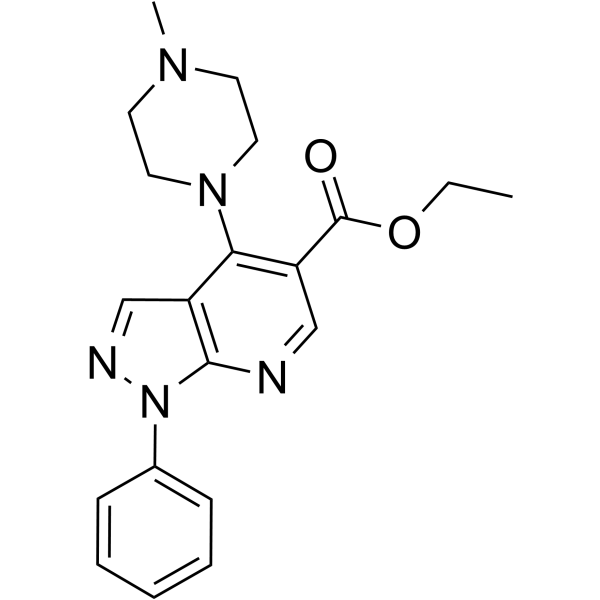
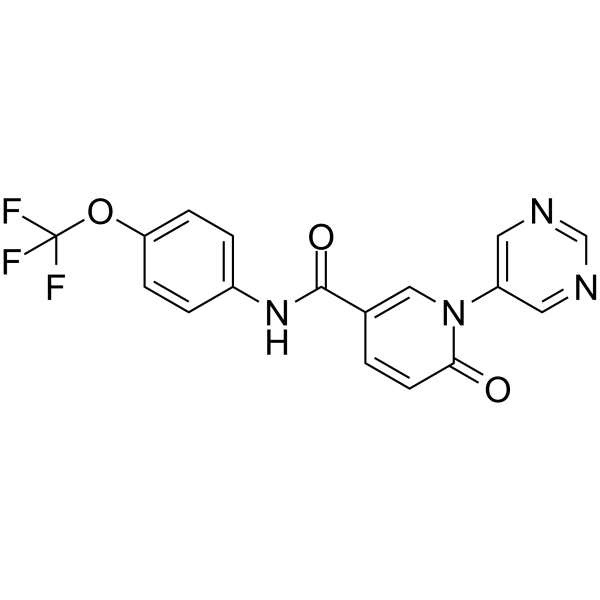
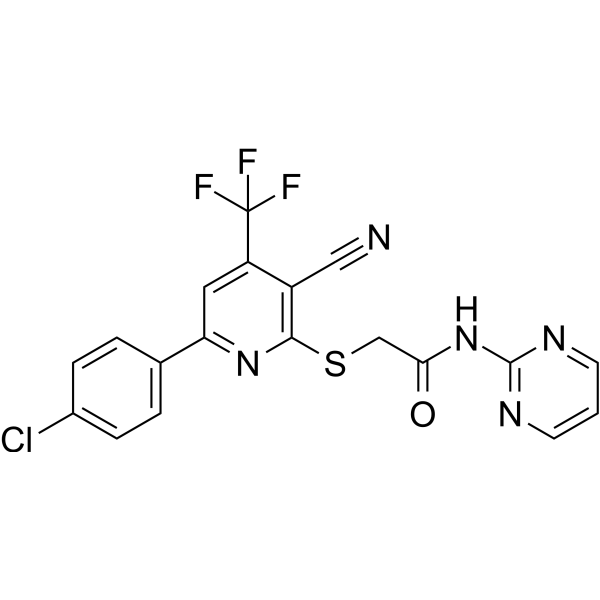
    PDE7-IN-2 (compound 2) is a potent PDE7 (phosphodiesterase 7) inhibitor with IC50 value of 2.1 µM. PDE7-IN-2 has the potential for the research of parkinson’s disease .
    PDE7-IN-2
  • HY-P2777

    Biochemical Assay Reagents Neurological Disease Metabolic Disease Inflammation/Immunology
    Ceruloplasmin is a copper-containing multifunctional ferrous oxidase glycoprotein. Ceruloplasmin specifically oxidizes Fe 2+ to Fe 3+, promoting the binding of Fe 3+ to transferrin. Ceruloplasmin can bind to copper ions to prevent the toxicity of free copper to cells. Ceruloplasmin can be used for the research of inflammation, metabolic and neurological disease such as Parkinson’s disease .
    Ceruloplasmin
  • HY-119910

    XIB4035

    GDNF Receptor Neurological Disease
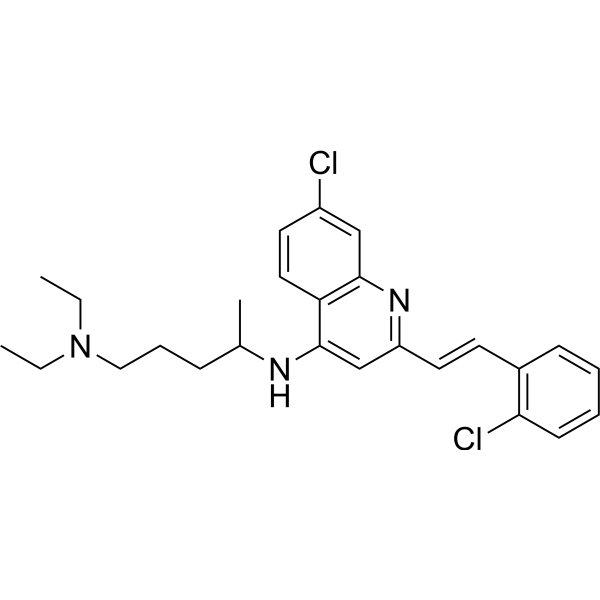
    (E)-Aminoquinol (XIB4035) is a GFRα-1 agonist. (E)-Aminoquinol has mimic neurotrophic effects of GDNF, and induces Ret autophosphorylation in Neuro-2A cells. (E)-Aminoquinol can be used for research of Parkinson’s disease .
    (E)-Aminoquinol
  • HY-172967

    Toll-like Receptor (TLR) Neurological Disease
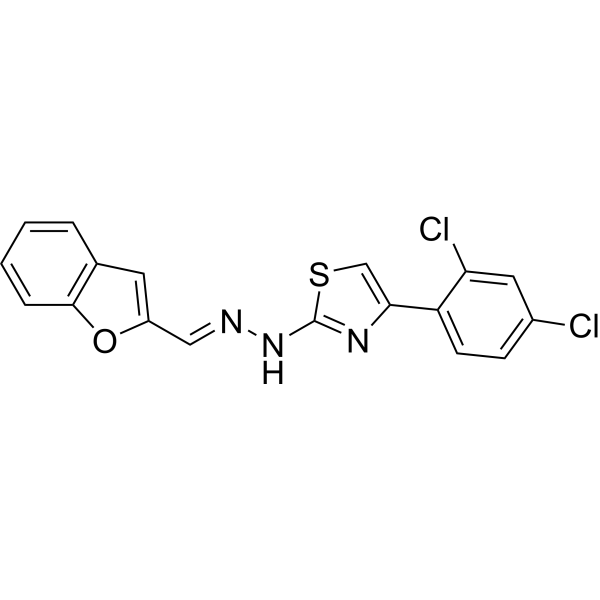
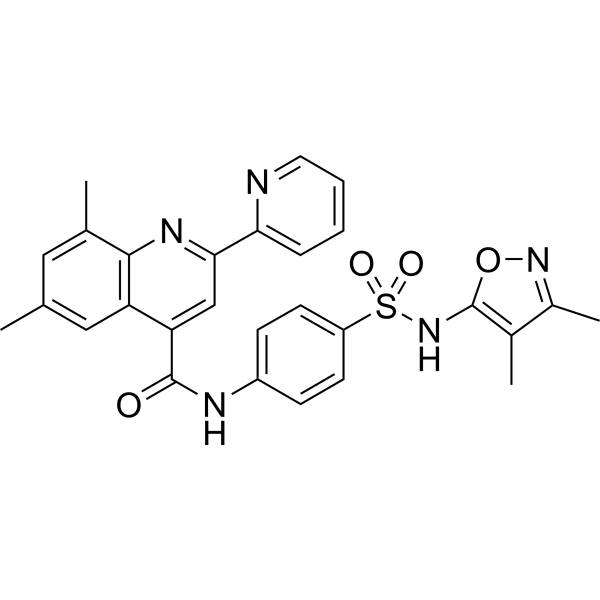
    SARM1-IN-5 (compound 1-23-a) is a SARM1 inhibitor. SARM1-IN-5 can be used in the study of axonal degeneration related diseases such as Alzheimer’s disease, Parkinson’s disease, amyotrophic lateral sclerosis (ALS), and multiple sclerosis (MS) .
    SARM1-IN-5
  • HY-P4704A

    α-synuclein Neurological Disease
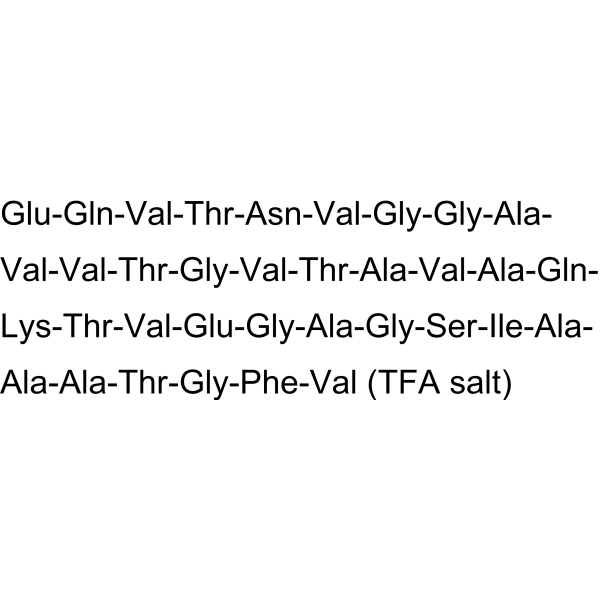
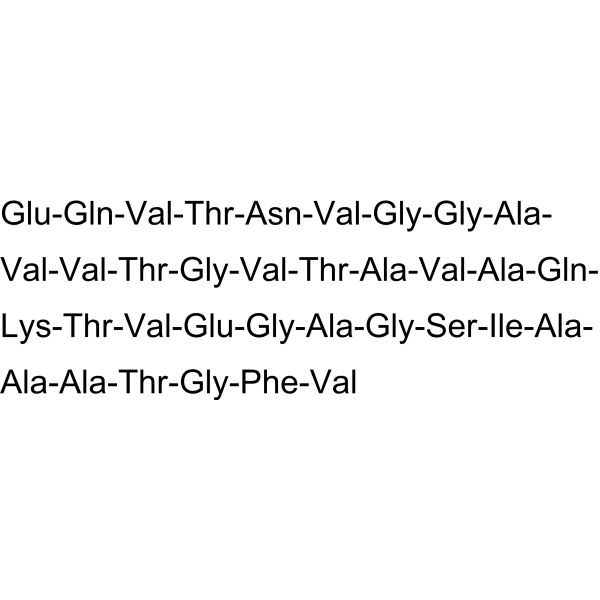
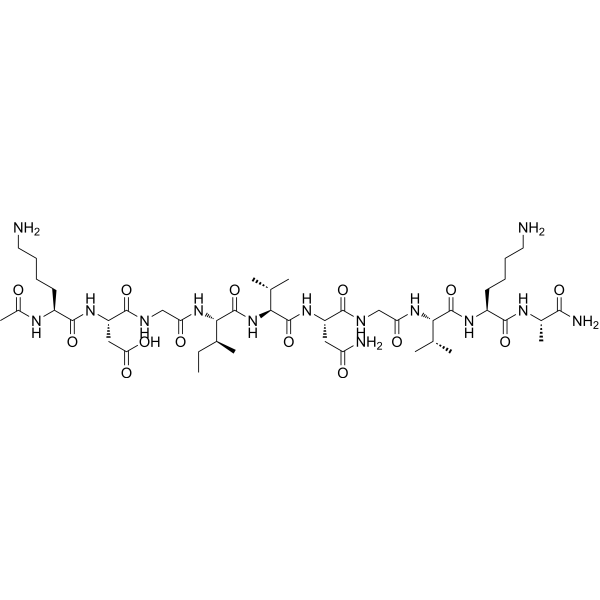
    α-Synuclein (61-95) (human) TFA is the hydrophobic core region of α-synuclein, and induces neuronal cell death. α-Synuclein (61-95) (human) TFA can be used for research of neurodegenerative diseases, including Alzheimer’s disease (AD) and Parkinson’s disease (PD) .
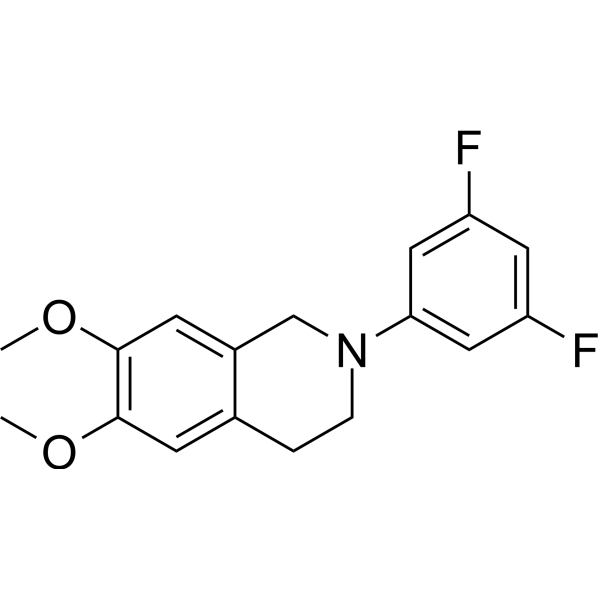
    α-Synuclein (61-95) (human) TFA
  • HY-105003

    Adenosine Receptor Neurological Disease
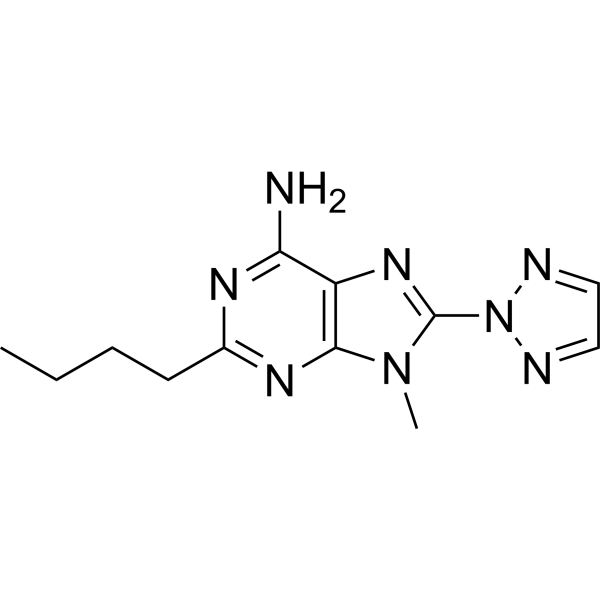
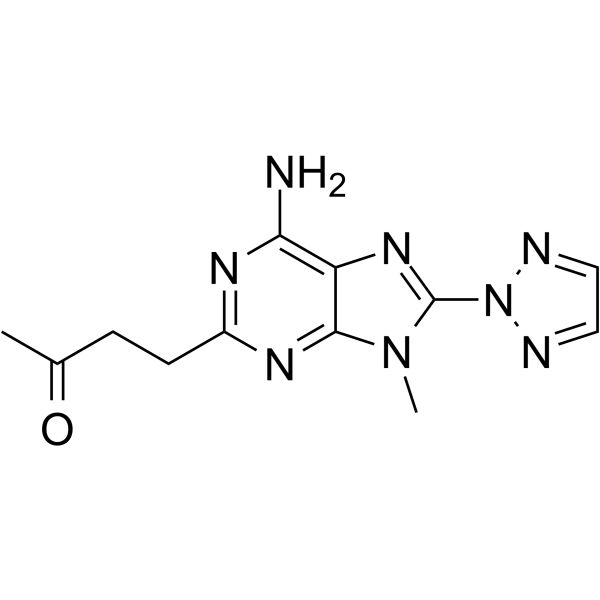
    ST 1535 is a potent and orally active A2A adenosine receptor antagonist. ST 1535 shows antiparkinsonian activity and antitremorigenic effects. ST 1535 has the potential for the research of Parkinson’s disease .
    ST 1535
  • HY-124729A

    ULK Autophagy Neurological Disease
    (Rac)-BL-918 is the racemate of BL-918. BL-918 is a potent activator of UNC-51-like kinase 1 (ULK1), inducing cytoprotective autophagy for Parkinson’s disease treatment .
    (Rac)-BL-918
  • HY-134661

    GPR6 Neurological Disease
    (S)-CVN424 is a potent G-Protein-Coupled Receptor 6 (GPR6) modulator. (S)-CVN424 has the potential for a variety of neurological and psychiatric disorders research, including Parkinson's disease .
    (S)-CVN424
  • HY-115038

    α-synuclein Neurological Disease
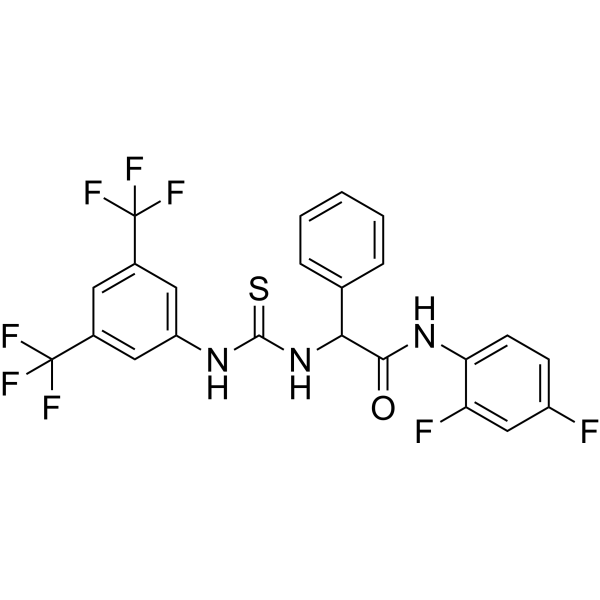
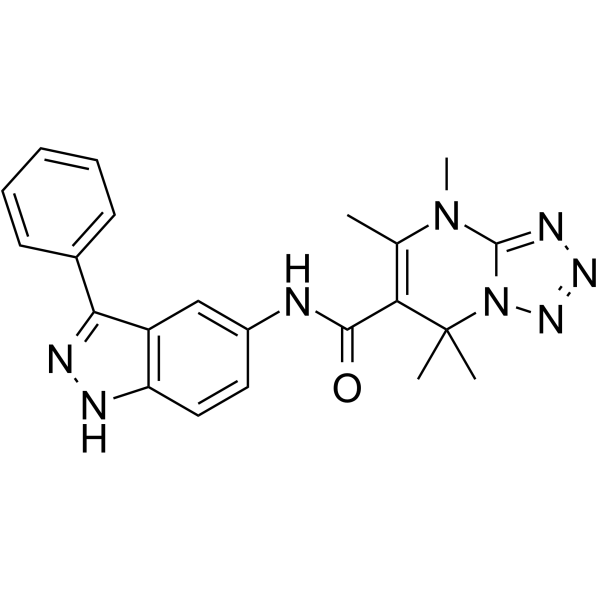
    ELN484228 is a blocker of α-synuclein which is a key protein in Parkinson’s disease.
    ELN484228
  • HY-147976A

    Glycosidase Neurological Disease
    Glucocerebrosidase-IN-1 (compound 11a) hydrochloride is a potent and selective GCase (glucocerebrosidase) inhibitor, with an IC50 of 29.3 μM and a Ki of 18.5 μM. Glucocerebrosidase-IN-1 hydrochloride can be used for the research of Gaucher disease (GD) and Parkinson’s disease (PD) .
    Glucocerebrosidase-IN-1 hydrochloride
  • HY-178796

    PROTACs LRRK2 Neurological Disease Inflammation/Immunology
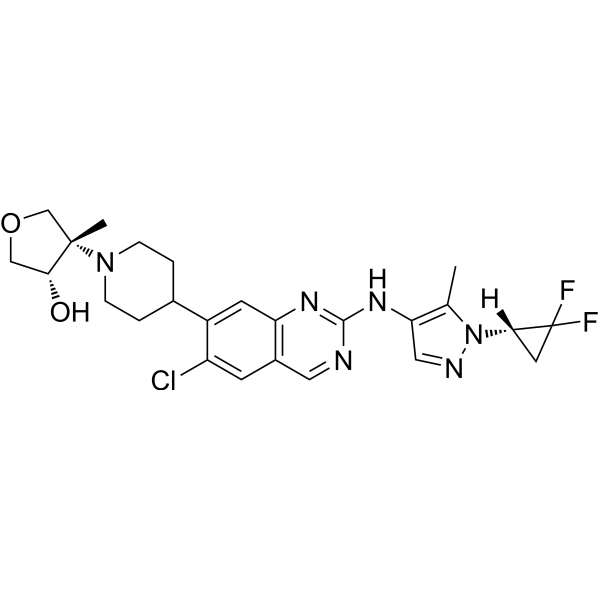
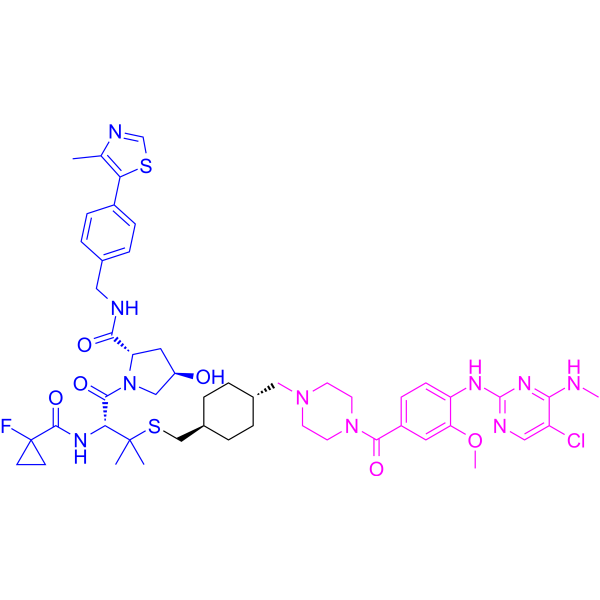
    PROTAC LRRK2 Degrader-4 is a PROTAC LRRK2 degrader with a DC50 of 0.79 nM. PROTAC LRRK2 Degrader-4 can be used for research in Parkinson’s disease and inflammation .
    PROTAC LRRK2 Degrader-4
  • HY-178797

    PROTACs LRRK2 Neurological Disease Inflammation/Immunology
    PROTAC LRRK2 Degrader-3 (compound 6) is a PROTAC LRRK2 degrader with a DC50 of 0.17 nM. PROTAC LRRK2 Degrader-3 can be used for research in Parkinson’s disease and inflammation .
    PROTAC LRRK2 Degrader-3
  • HY-150702

    MAGL Neurological Disease Inflammation/Immunology
    MAGLi 432 is a non-covalent, potent, highly selective, and reversible MAGL inhibitor. MAGLi 432 binds with high affinity to the MAGL active site, with IC50 values of 4.2 nM (human enzyme) and 3.1 nM (mouse enzyme). MAGLi 432 can be used in the research of chronic inflammation, blood–brain barrier dysfunction, neurological disorders such as multiple sclerosis, Alzheimer’s disease and Parkinson’s disease .
    MAGLi 432
  • HY-151388

    Monoamine Oxidase COMT Neurological Disease
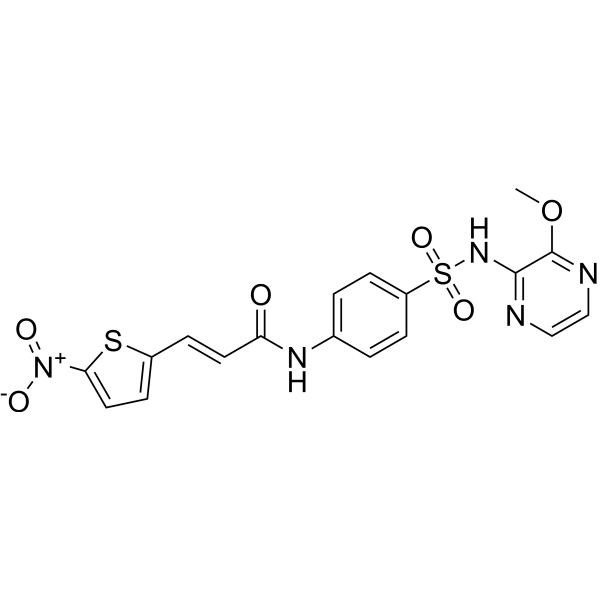
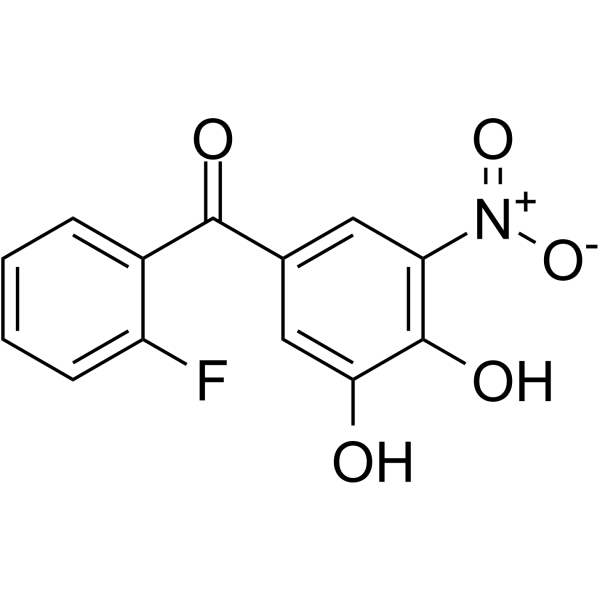
    hMAO-B/MB-COMT-IN-1 is a dual MAO-B/MB-COMT inhibitor (IC50s: 2.5 μΜ for hMAO-B, 3.84 μΜ for MB-COMT). hMAO-B/MB-COMT-IN-1 protects cells against oxidative damage. hMAO-B/MB-COMT-IN-1 can be used in the research of neurodegeneration disease, such as Parkinson’s Disease (PD) .
    hMAO-B/MB-COMT-IN-1
  • HY-114549

    Dopamine Receptor Neurological Disease
    (R)-SCH-23982 hydrochloride is the R-enantiomer of SCH-23982 hydrochloride. SCH-23982 hydrochloride is a selective dopamine D1 receptor antagonist. (R)-SCH-23982 hydrochloride is promising for research of central nervous system disorders such as schizophrenia, Parkinson’s disease .
    (R)-SCH-23982 hydrochloride
  • HY-124751

    Stearoyl-CoA Desaturase (SCD) Neurological Disease
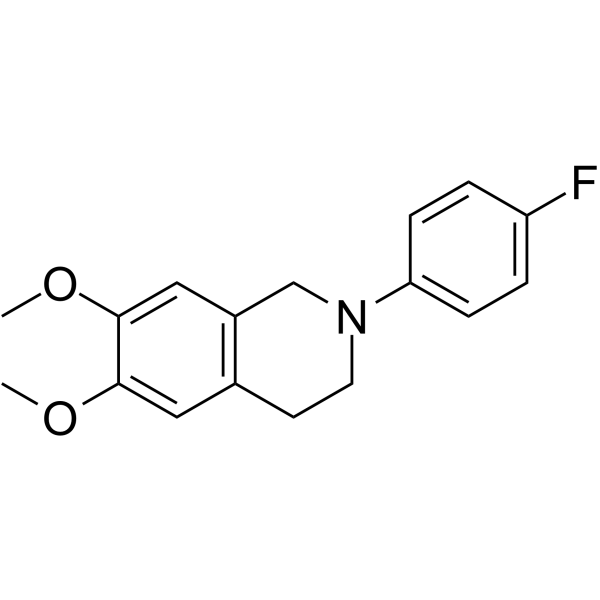
    YTX-465 is a stearoyl-CoA desaturase (Ole1/SCD) inhibitor. YTX-465 inhibits Ole1 and SCD1 with IC50s of 0.039 μM and 30.4 μM, respectively. YTX-465 can be used in the research of Parkinson’s disease and other synucleinopathies .
    YTX-465
  • HY-152671

    Monoamine Oxidase Neurological Disease
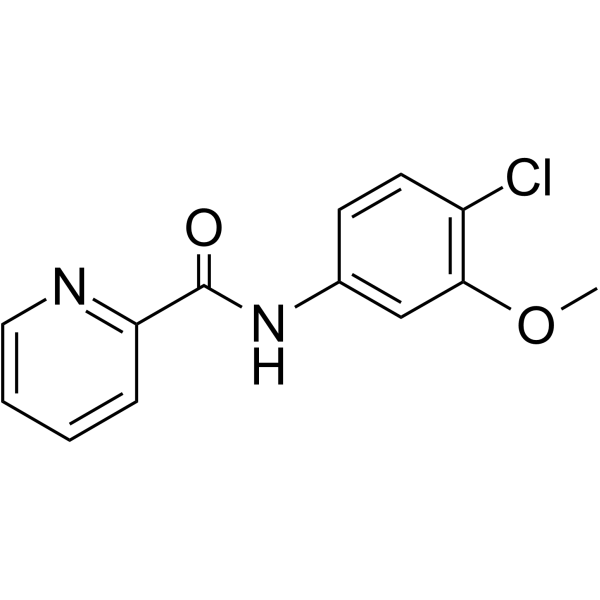
    hMAO-B-IN-4 (compound B10) is a selective, reversible and blood–brain barrier (BBB) penetrable human monoamine oxidase-B (hMAO-B) inhibitor with an IC50 value and a Ki value of 0.067 and 0.03 μM, respectively. hMAO-B-IN-4 inhibits hMAO-A with an IC50 value of 33.82 μM. hMAO-B-IN-4 can be used for Alzheimer’s disease (AD) and Parkinson’s disease (PD) research .
    hMAO-B-IN-4
  • HY-14555

    Dopamine Receptor Neurological Disease
    S33138 is a D3 receptor antagonist. S33138 inhibits addiction in animal models of addiction. S33138 reduces cognitive impairment in rodent and primate models of schizophrenia and Parkinson's disease. S33138 can be used in research on neurological disorders such as schizophrenia and Parkinson's disease .
    S 33138
  • HY-N10283

    Endogenous Metabolite Neurological Disease
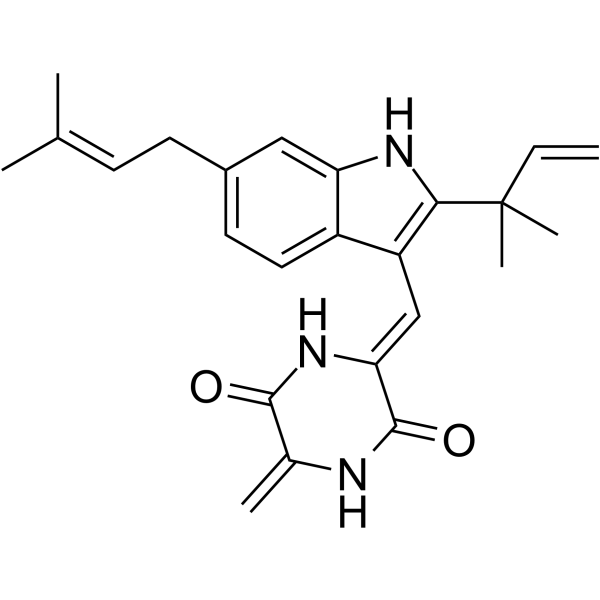
    Neoechinulin C, an echinulin-related indolediketopiperazine alkaloid, protects the neuronal cells against paraquat-induced damage in a Parkinson’s disease model .
    Neoechinulin C
  • HY-P4704

    α-synuclein Neurological Disease
    α-Synuclein (61-95) (human) is the hydrophobic core region of α-synuclein, and induces neuronal cell death. α-Synuclein (61-95) (human) can be used for research of neurodegenerative diseases, including Alzheimer’s disease (AD) and Parkinson’s disease (PD) .
    α-Synuclein (61-95) (human)
  • HY-N16524

    α-synuclein Neurological Disease
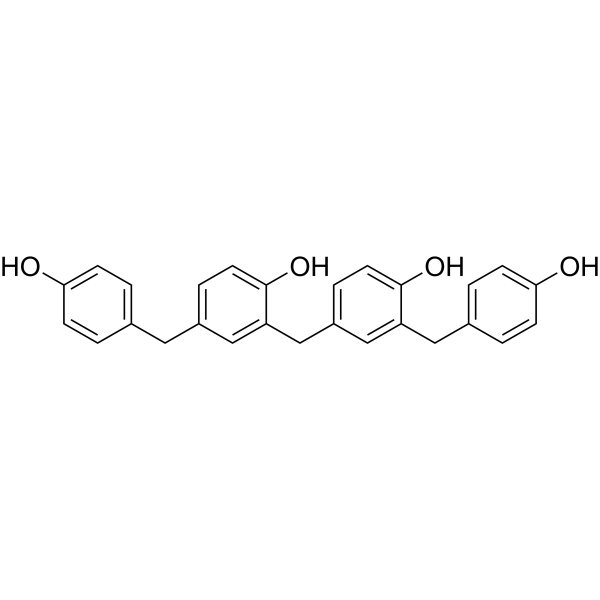
    Alpinin A is a diarylheptanoid found in the rhizomes of Alpinia officinarum. Alpinin A can strongly inhibit the aggregation of α-synuclein with inhibition rate of 66% at 10 μM. Alpinin A can be used for the research of neurological disease, such as Parkinson’s disease .
    Alpinin A
  • HY-N5077R

    Reference Standards Cholinesterase (ChE) P-glycoprotein Neurological Disease Inflammation/Immunology Cancer
    Sinapine is an alkaloid isolated from seeds of the cruciferous species. Sinapine exhibits anti-inflammatory, anti-oxidant, anti-tumor, anti-angiogenic and radio-protective effects. Sinapine is also an acetylcholinesterase (AChE) inhibitor and can be used for the research of Alzheimer’s disease, ataxia, myasthenia gravis, and Parkinson’s disease .
    Sinapine (Standard)
  • HY-16468A

    ENT 01; MSI-1256 phosphate

    α-synuclein Neurological Disease
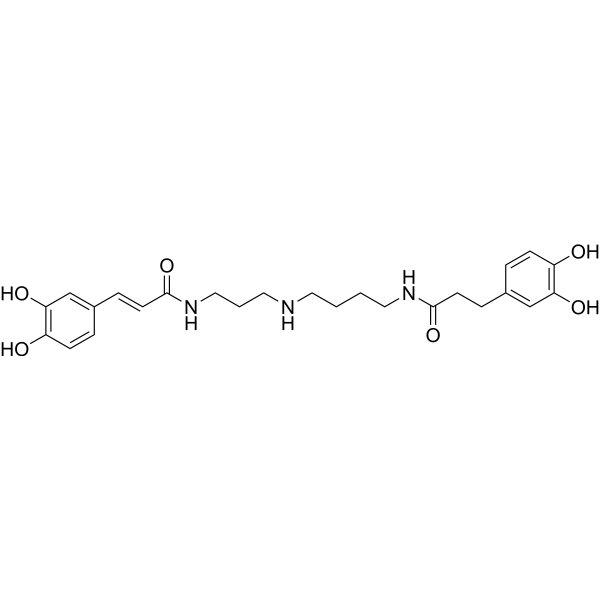
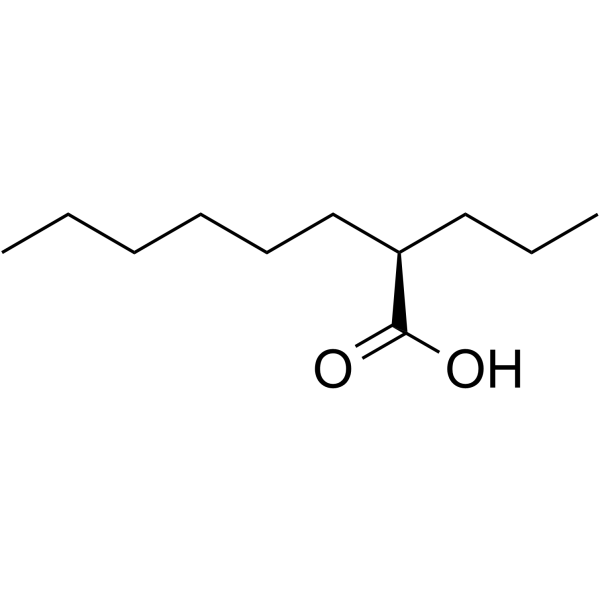
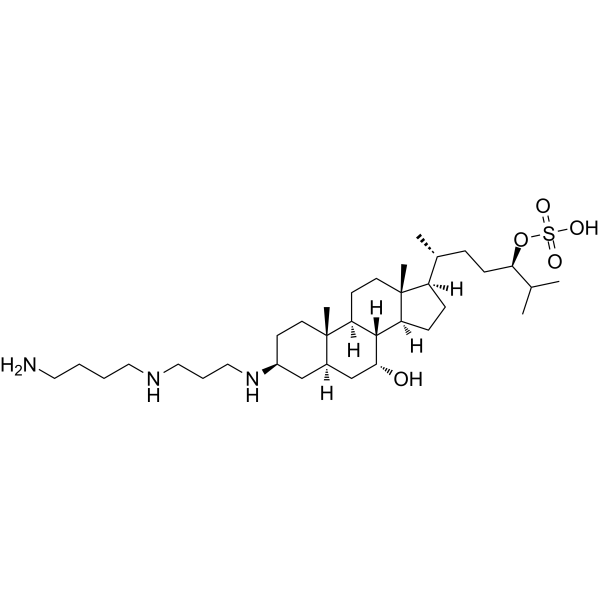
    Squalamine phosphate (Compound ENT-01) is an orally active neuroprotective agent. Squalamine phosphate can displace α-Syn that is bound electrostatically to nerve cell membranes and prevent aggregation of α-Syn. Squalamine phosphate can be used for the research of neurological disease, such as Parkinson’s disease .
    Squalamine phosphate
  • HY-118238

    MRZ-8456

    mGluR Neurological Disease
    Remeglurant (MRZ-8456) acts as a selective, orally active and allosteric antagonist of the mGlu5 receptor, with an IC50 of 13 nM. Remeglurant (MRZ-8456) can be used in the research for dyskinesia in Parkinson’s disease (PD) .
    Remeglurant
  • HY-144074

    LRRK2 Neurological Disease
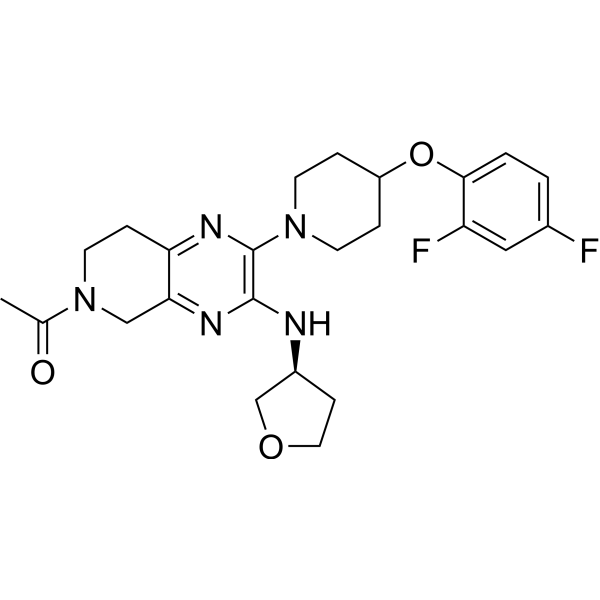
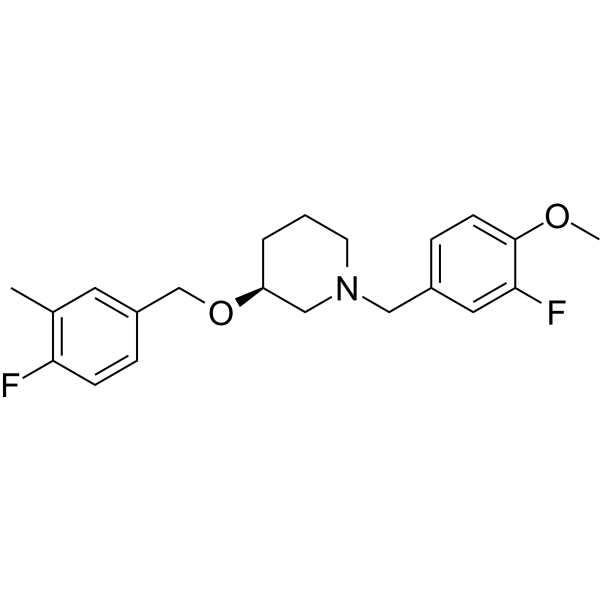
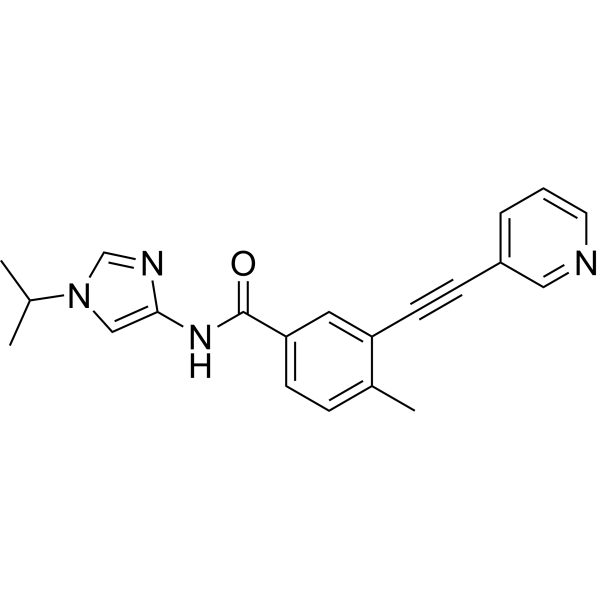
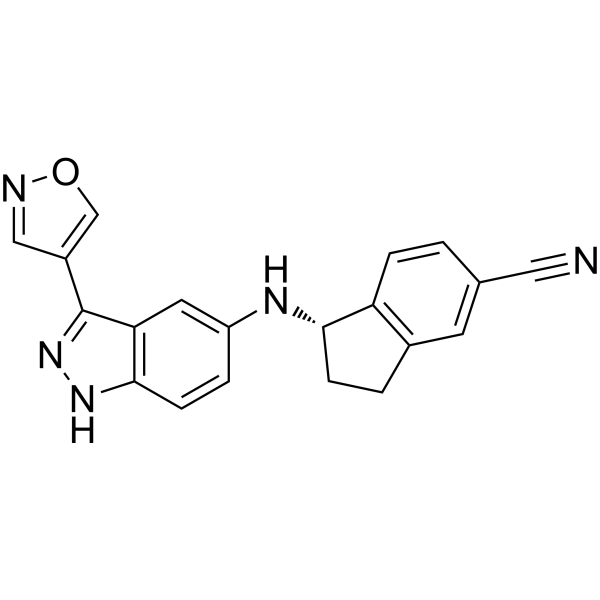
    LRRK2-IN-4 is a potent, selective, CNS-penetran and orally active leucine-rich repeat kinase 2 (LRRK2) inhobitor with an IC50 of 2.6 nM. LRRK2-IN-4 has the potential for the research of Parkinson’s disease .
    LRRK2-IN-4
  • HY-176213

    JNK Neurological Disease
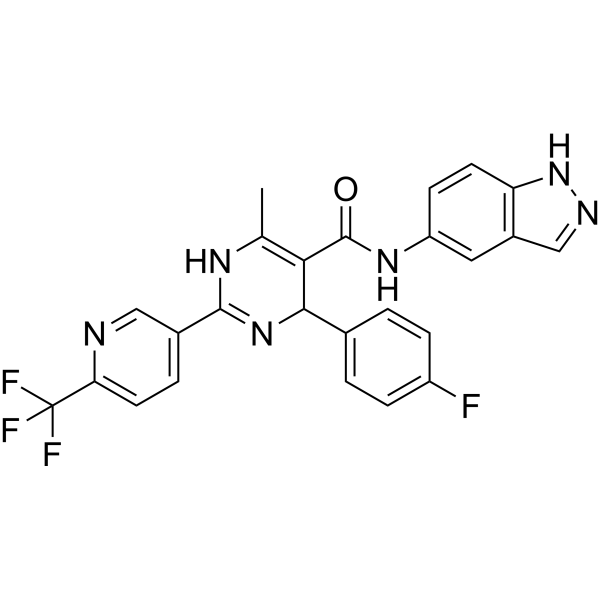
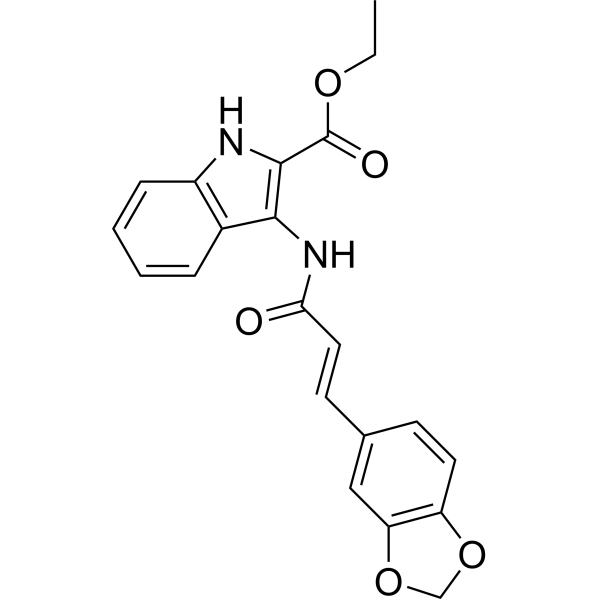
    JNK2/3-IN-1 (Compound 56d) is an irreversible covalent inhibitor of c-Jun N-terminal kinases 2/3 (JNK2/3) with IC50 values of 830 and 1909 nM, respectively. JNK2/3-IN-1 is promising for research of neurodegenerative diseases (e.g., Parkinson’s, Alzheimer’s) and fibrotic disorders .
    JNK2/3-IN-1

Inquiry Online

Your information is safe with us. * Required Fields.

Salutation


Country or Region *

Applicant Name *


Organization Name *

Department *


Email Address *


Product Name *

Cat. No.


Requested quantity *

Phone Number *


Remarks

Inquiry Online

Inquiry Information

Product Name:
Cat. No.:
Quantity:
MCE Japan Authorized Agent: